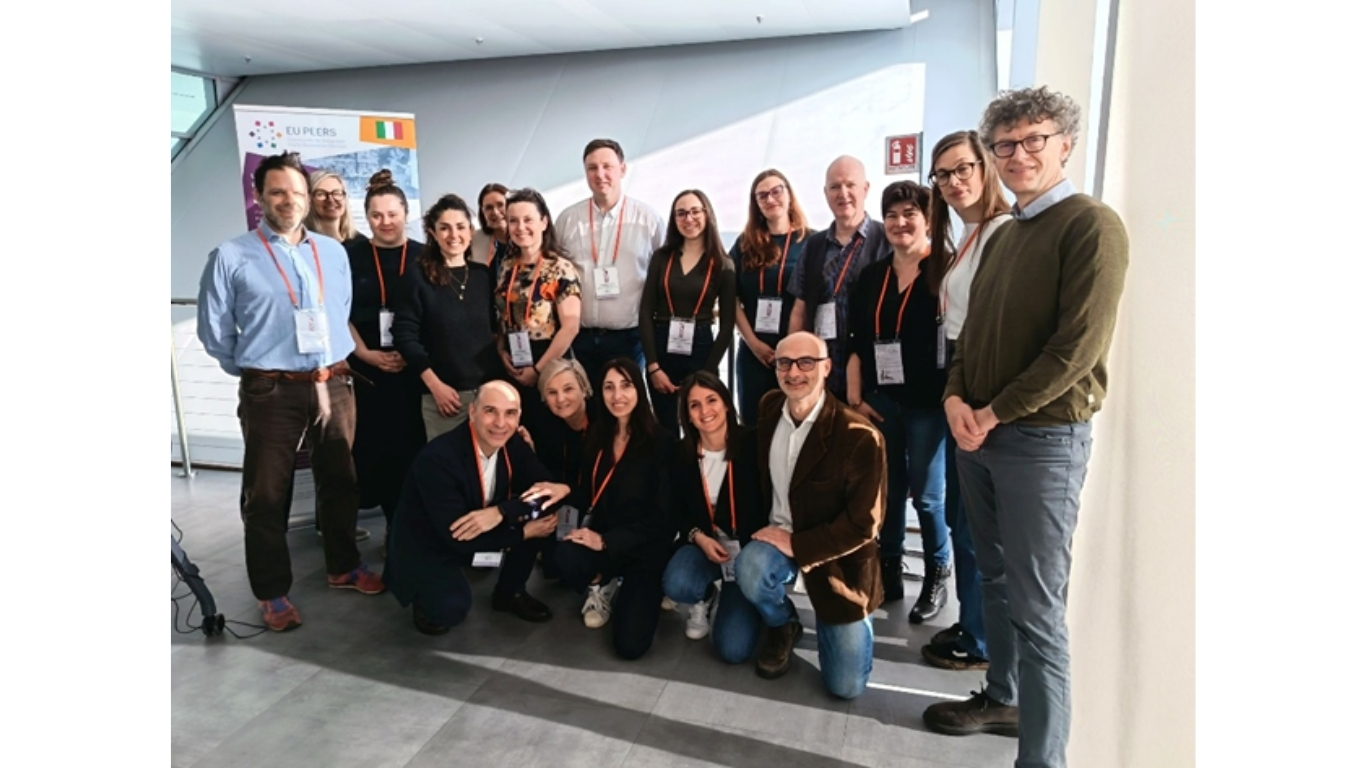
As part of the mentoring programme of the EU Peers network, which brings together European One-Stop-Shop (OSS) offices for energy renovation, representatives of KLIK participated in a two-day study visit to Turin and the Piemonte region on 30–31 March 2026. The meeting brought together representatives of OSS offices and energy agencies from Italy, Slovenia, Belgium, Ireland, Austria, and Greece.
During two days of learning and exchanging experiences related to working with citizens—particularly in the context of energy poverty—participants concluded that OSS offices across Europe face similar challenges and topics. The main differences between countries lie in the level of systemic support and recognition of such offices at regional and national levels as key places where citizens can receive assistance with energy renovation and the development of energy communities. In many countries, these offices have been institutionally supported for years precisely to accelerate energy renovation and ensure a fair energy transition accessible to all citizens.
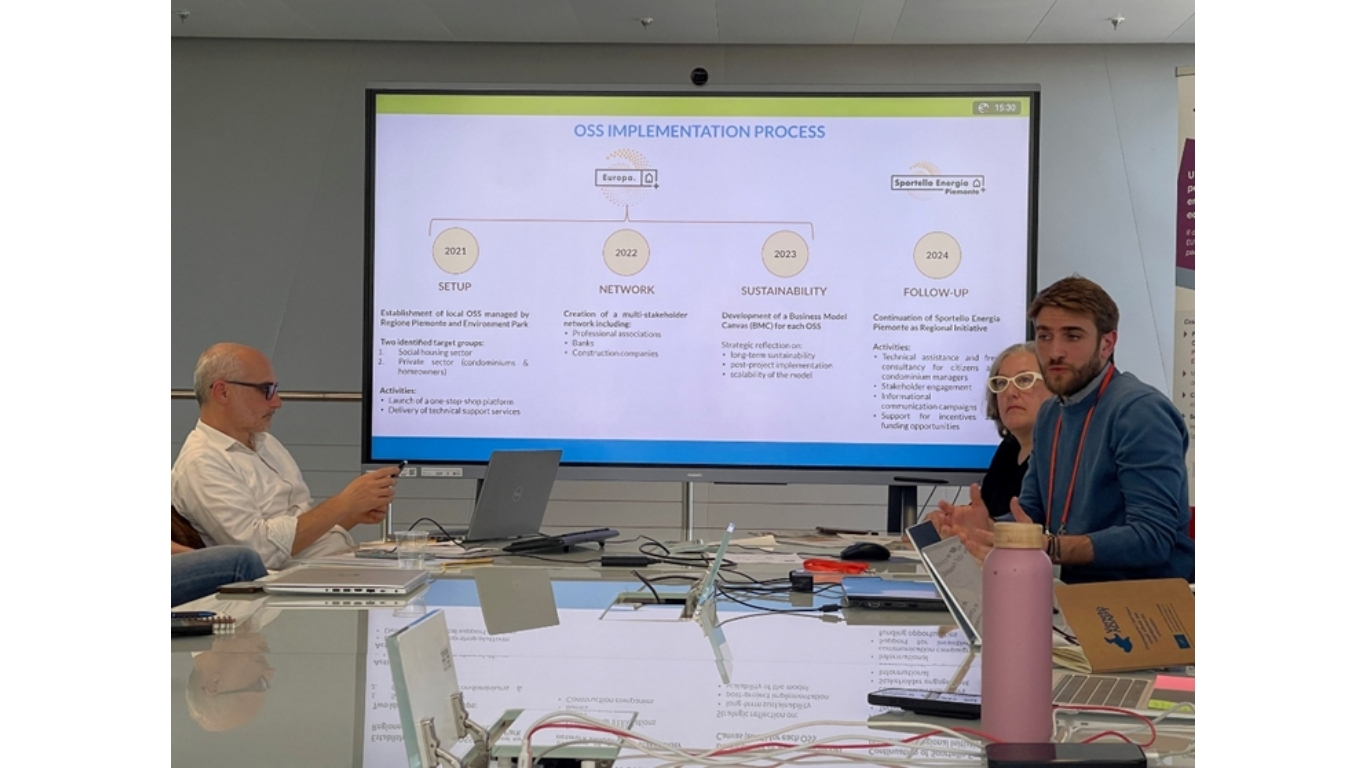
During the programme, hosts from the Piemonte Region presented regional experiences and projects related to the energy transition. Participants had the opportunity to learn about the work of Italian OSS offices and community energy projects, including the Sportello per la Transizione Energetica in Piemonte, as well as initiatives aimed at working with different target groups of citizens.
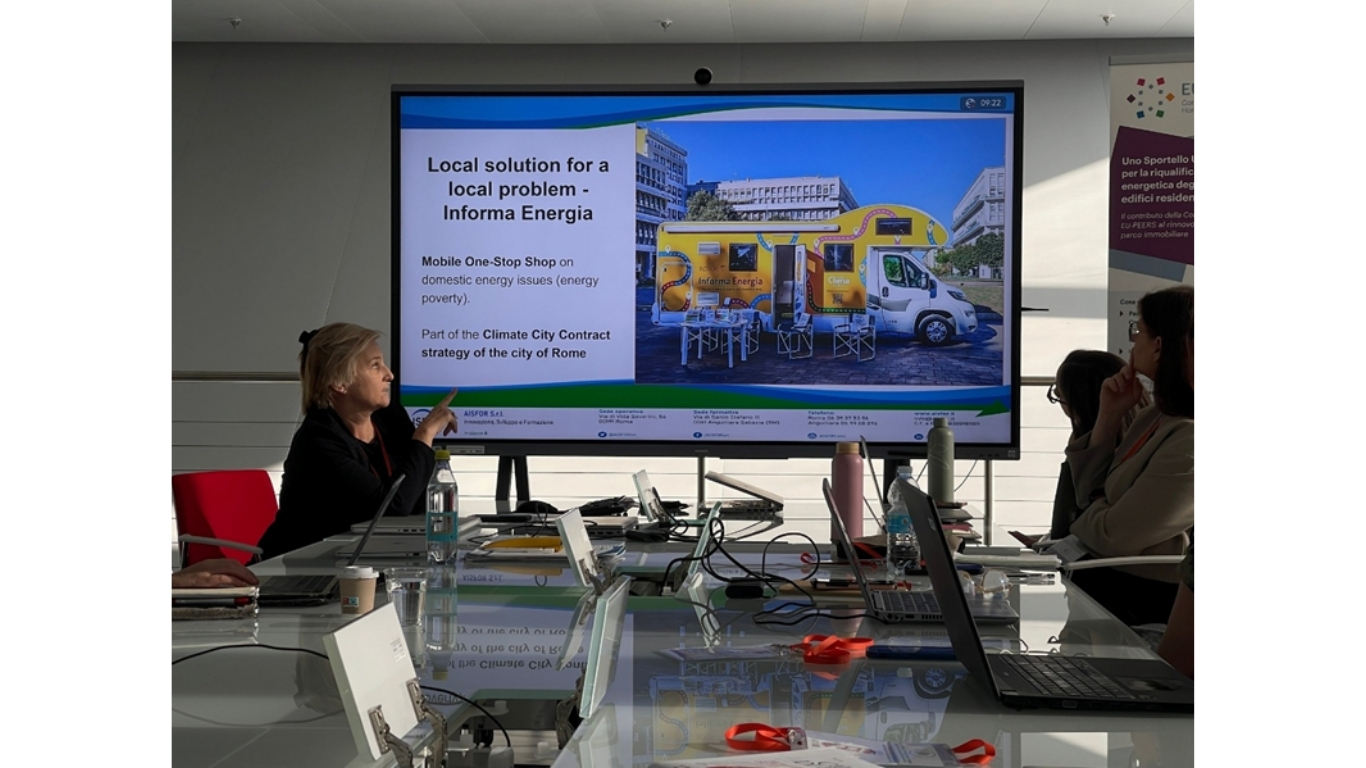
Particularly inspiring was the presentation of the Informa Energia model, a mobile OSS in Rome that provides citizens with information and support in addressing energy poverty. Participants highlighted that a similar approach could potentially be implemented in Croatia in the future.
The Energy Community Concierge project was also presented, along with numerous examples of work by energy agencies and OSS offices from other European countries. KLIK presented its own OSS for energy renovation and the development of energy communities, established within the LIFE crOss renoHome project, as well as the DECA – Danube Energy Communities Accelerator project.
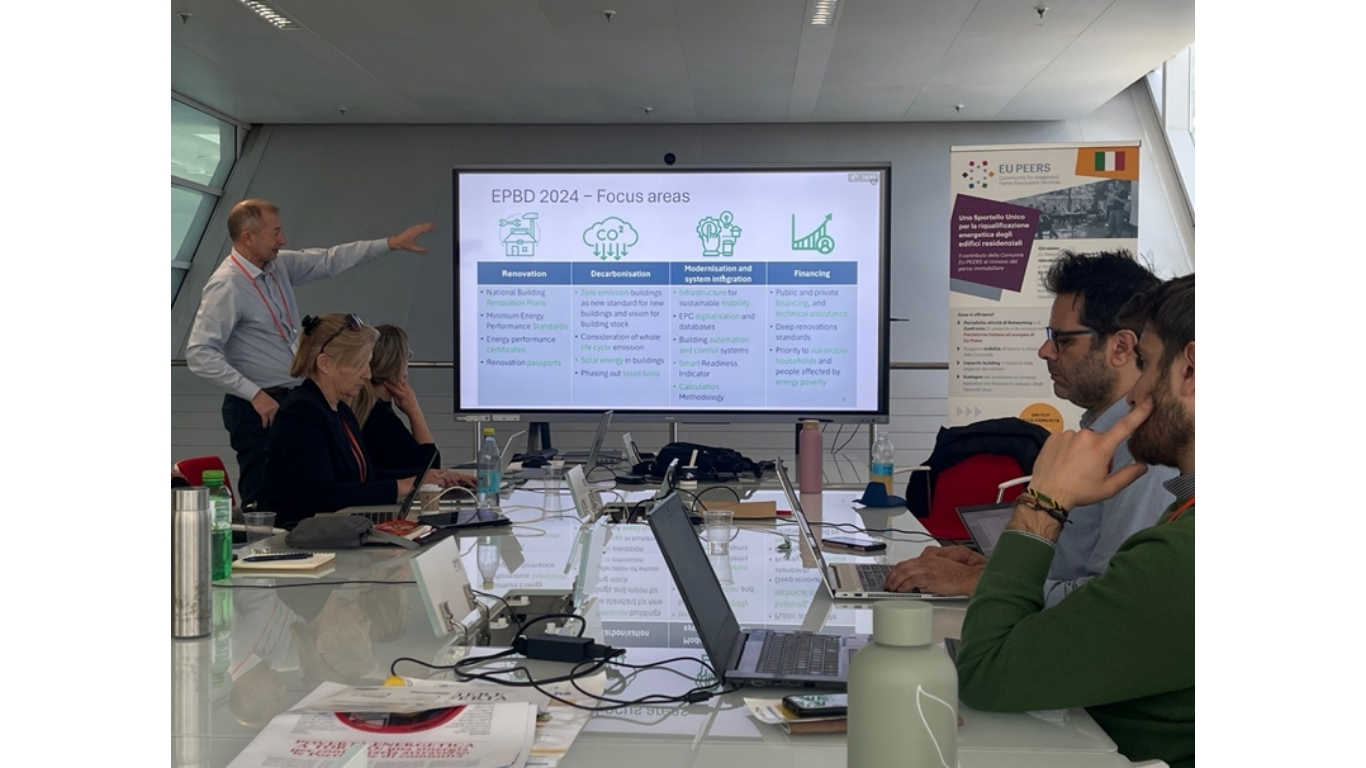
Participants also learned about new tools and mechanisms introduced by the European EPBD framework (Energy Performance of Buildings Directive), which will play an important role in accelerating energy renovation across the European Union in the future.
The meeting in Turin once again confirmed the importance of international cooperation and the exchange of experiences in developing effective models to support citizens in the energy transition.
KLIK in Turin
KLIK in Turin