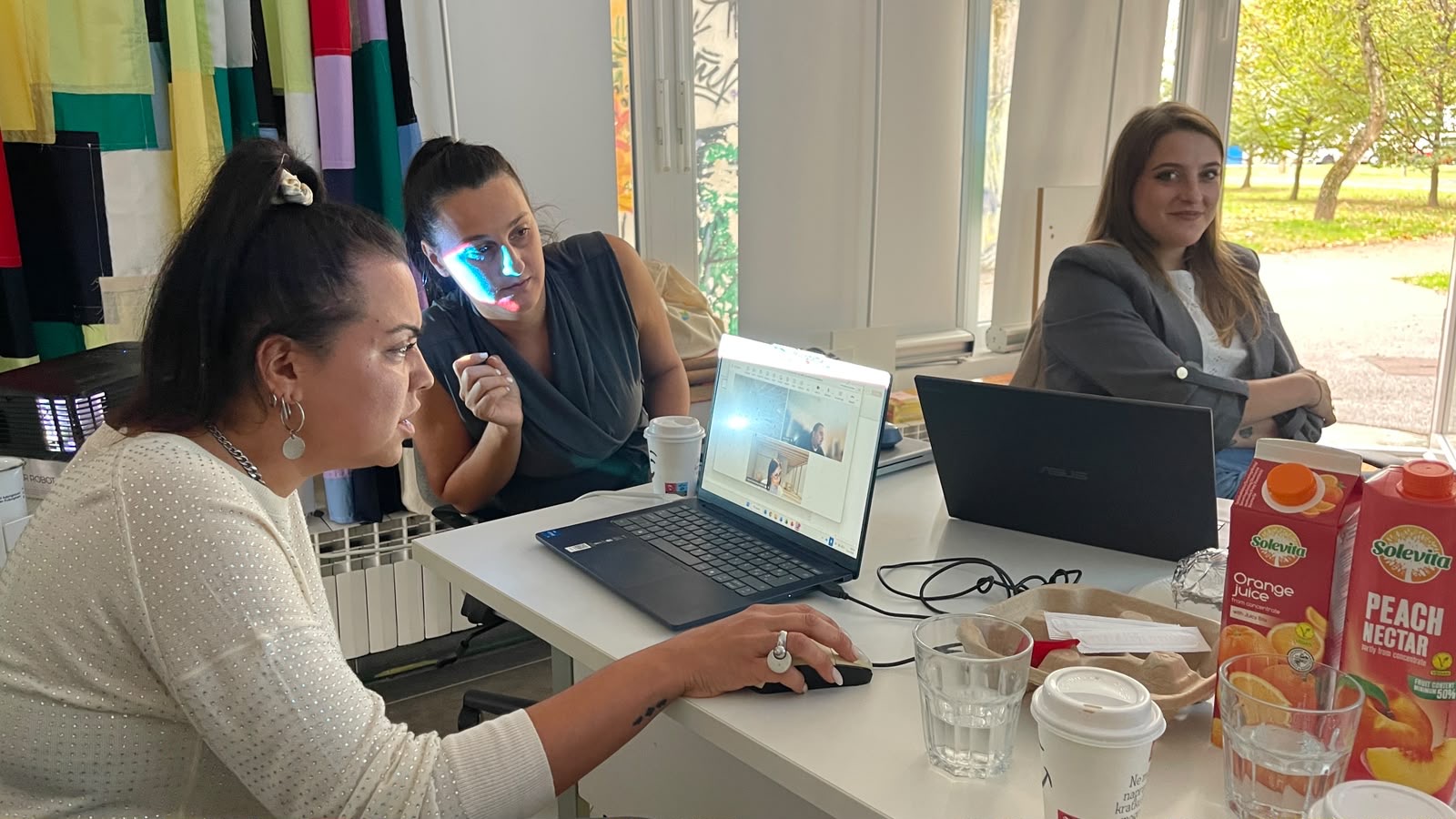
The partners of the crOss renoHome project held their regular semi-annual coordination meeting in person on 21 September 2026 at the premises of the Society for Sustainable Development Design (DOOR) in Zagreb. Representatives of the partner organisations DOOR, KLIK and GBC attended the meeting, which was also joined this time by the project officer from CINEA.
During the first part of the meeting, the partners presented the activities carried out to date within the individual work packages over the project’s first 36 months and discussed plans and priorities for the next six months of project implementation. They exchanged experiences and examples from their work so far, with a particular focus on activities aimed at making information and solutions for the energy renovation of buildings more accessible to citizens, cities and other stakeholders.
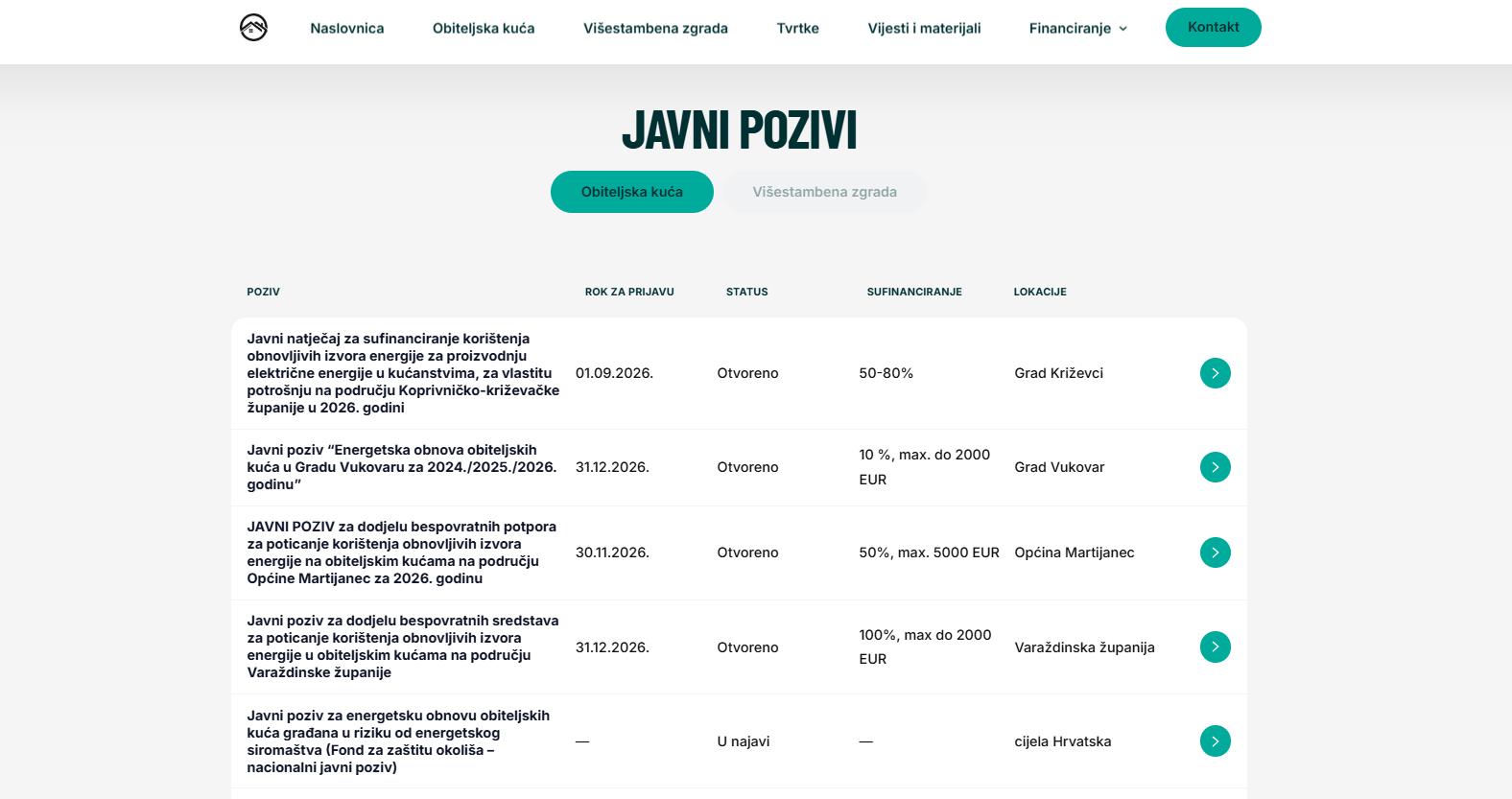
Energy Renovation Marketplace Platform
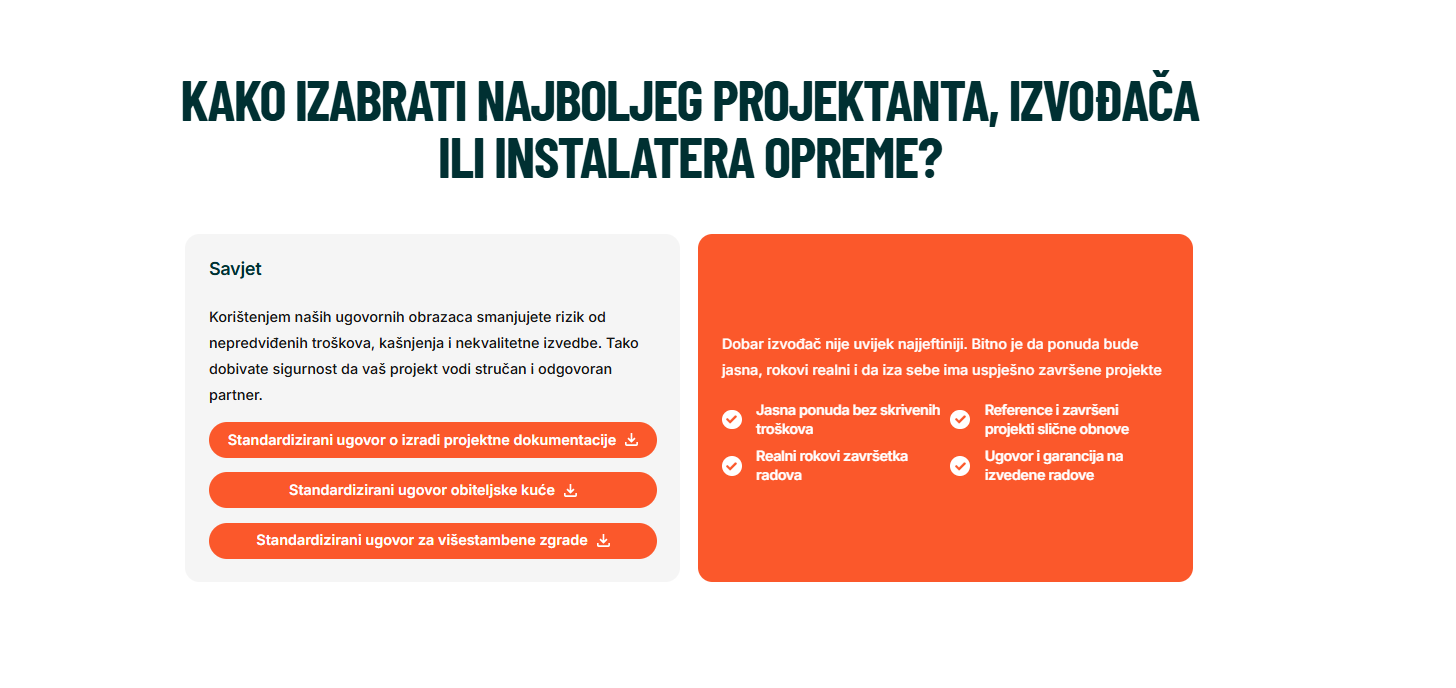
One of the key topics of the meeting was the further development and promotion of the Marketplace platform, which brings together relevant information on energy renovation-related services and service providers in one place, connecting citizens with the information they need.
The partners discussed opportunities to further promote the platform so that it becomes as accessible as possible to citizens and enables them to find contractors, designers and other professionals in one place, as well as information on available financing opportunities for energy renovation.
The platform is available at:https://energetska-obnova-doma.hr/.
What Have We Learned During the Project?
An important part of the discussion focused on the experience gained during project implementation, particularly trends in energy renovation and citizens’ interest in individual measures. The partners exchanged experiences related to various public calls, including the recently launched call for the installation of photovoltaic systems and heat pumps, which reached the available funding very quickly due to high levels of citizen interest.
The experience gained so far shows that citizens still most often opt for individual energy renovation measures, such as the installation of photovoltaic systems, while comprehensive, deep energy renovations of buildings remain significantly less common. The partners therefore discussed opportunities to place greater emphasis during the final year of the project on encouraging the energy renovation of multi-apartment buildings and to gain additional experience in this area through new public calls and available programmes.
The discussion also covered the project’s key performance indicators (KPIs) and the differences between the initial expectations and the actual results achieved on the ground. When the project was prepared in 2022, the partners expected a higher number of comprehensive energy renovations. However, the past three years have shown that citizens are more likely to opt for individual measures. At the same time, the project has achieved some results that exceeded initial expectations. For example, around 30% more project documentation was prepared than originally planned, while the achieved savings in primary and final energy reached the planned values.
On the other hand, investment in renewable energy sources remained below initial expectations. The partners also discussed possible reasons for this trend, including changes in technology prices and the fact that a significantly higher number of smaller photovoltaic systems were installed during the project, while heat pumps, which represent larger individual investments, were implemented to a lesser extent.
Energy poverty was another topic discussed during the meeting. Although local communities, such as the City of Križevci, have already developed their own activities in this area, the partners would like to further explore opportunities to include energy-poor households in energy renovation and support programmes in the coming period.
On-the-Ground Experience as a Valuable Message for Future Policies
The differences between initial expectations and actual results on the ground were identified by the partners as one of the project’s valuable learning experiences. During the discussion with the project coordinator, it was highlighted that the experience of the Croatian partners provides a valuable source of data for understanding citizens’ actual needs, the barriers they face and the measures that are most commonly implemented in practice.
During the final six months of the project, the partners will therefore pay particular attention to documenting and presenting the experience gained through their work, including both what worked well and the challenges encountered during implementation. The aim is to share these experiences through project activities at the national level, as well as with European partners and institutions, so that lessons from the field can contribute to the future development of policies and programmes for energy renovation.
In this way, during the final phase of the project, crOss renoHome aims to present not only the results achieved, but also a realistic picture of the energy renovation process – what citizens most commonly choose today, where the main barriers lie, and what needs to be done to make comprehensive energy renovation, including the renovation of multi-apartment buildings and support for households experiencing energy poverty, more accessible.