With its Recommendation (EU) 2026/536), the European Commission provides clear guidance to Member States on expanding the One-Stop Shop (OSS) model as a key tool for accelerating building renovation across the European Union. At a time when renovation rates remain too low to meet climate and energy targets, OSS are increasingly recognised as a practical and accessible solution that helps households navigate the often complex process of renovating their homes.
The Recommendation emphasises the need for clear governance structures, sustainable funding, and strong coordination between public and private actors. While organisational models may differ between Member States, the European Commission highlights the importance of local anchoring. Physical presence and direct contact with citizens play an important role in building trust, understanding household needs, and encouraging participation in renovation projects.
A central objective of One-Stop Shops is the mobilisation of private investment in building renovation. By aggregating demand and structuring projects, OSS can reduce risks and make renovation projects more attractive to financial institutions. This opens the door for greater involvement of private capital, which is essential to achieve the scale of investment required in the building sector. At the same time, digital tools and platforms can simplify the user journey, reduce administrative burdens, and accelerate project implementation.
The Recommendation also places strong emphasis on social inclusiveness. One-Stop Shops should actively reach out to vulnerable and energy-poor households to ensure that the benefits of renovation are widely shared and that the energy transition remains fair and inclusive.
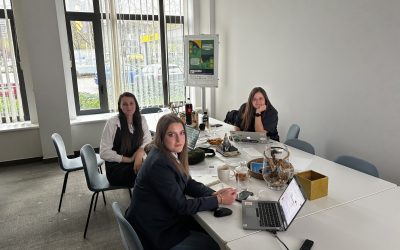
In this context, the EU-funded LIFE programme project crOss RenoHome enabled the opening of One-Stop-Shop offices in Zagreb and Križevci. These offices provide integrated support to citizens throughout the entire renovation process—from initial information and technical advice to assistance in preparing project documentation and identifying appropriate financing opportunities.
Such an approach significantly simplifies the renovation process for citizens, who often face a range of technical, administrative, and financial challenges. Through a single point of contact, households can access clear information, professional guidance, and support in making informed decisions.
However, the long-term success of these initiatives largely depends on continued local and national support after project funding ends. As recognised by the European Commission, One-Stop Shops need to evolve from individual pilot initiatives into systemic infrastructure within national renovation strategies.
Today, OSS are increasingly seen as a bridge between ambitious European policies and their real-world implementation on the ground. Their effectiveness will depend on the ability of Member States and stakeholders to move from fragmented initiatives towards integrated and scalable systems that make renovation simpler, faster, and more attractive for citizens.
Although implementation across Member States depends heavily on existing national structures, there is already a wealth of experience across Europe that can support further development. Platforms such as EU Peers enable knowledge exchange and the sharing of best practices among organisations developing and implementing One-Stop Shop models, helping to strengthen the capacity for successful implementation in different local contexts.